- Home
- Sweeteners
- Is Xylitol Safe?
Is Xylitol Safe as a Sugar Substitute?
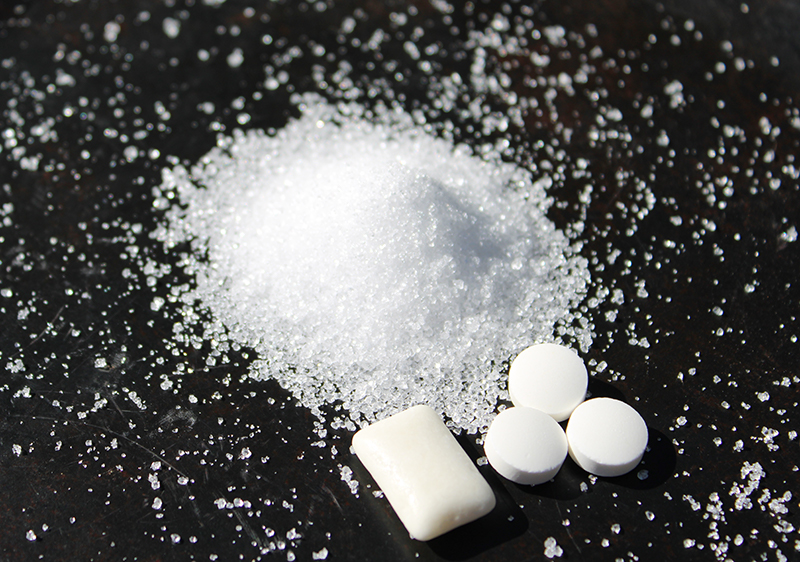
Is xylitol safe? This is a question you may be asking yourself due to recent mainstream media news headlines that have once again hooked onto "scientific" claims that xylitol is bad for you.
So, for those of you who happen to use xylitol sweetener as a sugar substitute or as an ingredient in commercial products, you're probably left feeling a bit alarmed, concerned and confused.
Decades of research, after all, have provided evidence that xylitol is a healthy low-calorie sweetener to consume for its anti-microbial benefits, especially for dental hygiene.
Table of Contents
Intro | Scientific Claims | Points to Clarify | Our Observations | Precautions | Shop
Hence, the reason it’s often found in chewing gum and mints to offer a handy after-meal mouth cleaning experience.
However, research going back several years now has repeatedly made claims suggesting potential side effects that are dangerous to one's well-being.
We briefly discussed this debate on our Xylitol Pros and Cons page, but here is our more in depth review and independent investigation of the past and present science behind these accusations.
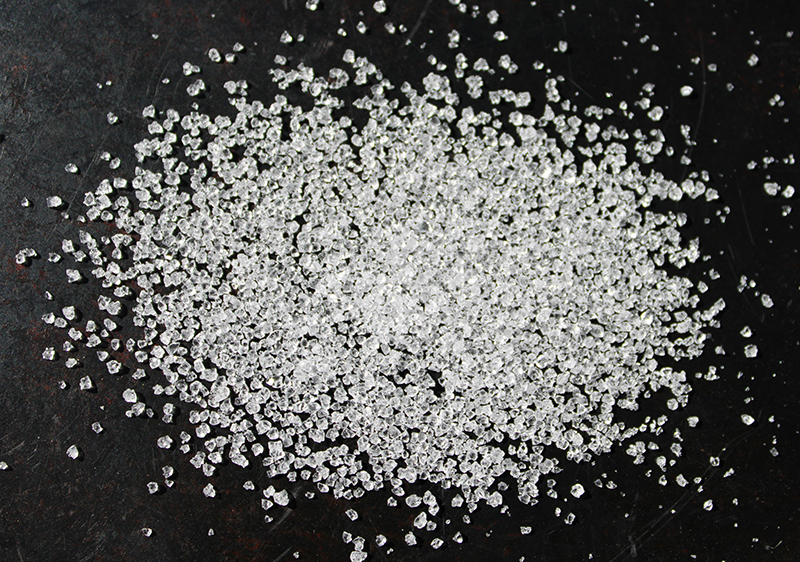
Science Claims Xylitol is Bad for You?
Xylitol continues to get a bad rap by the same scientific research group that first conducted the original studies back in 2024 claiming that xylitol (as well as erythritol) may increase MACE or a "major adverse cardiovascular event" in humans.
As of late, news stories are now linking to research presented at the annual ESC (European Society of Cardiology) 2026 congress. Presented by leading scientist Marco Witkowski, the data associates xylitol sweetener consumption with an increase in cardiovascular issues.
This article published on the ESC website is the source that most mainstream media are getting there information.
It basically claims that the higher the xylitol levels in the bloodstream, the higher the risk of cardiovascular concerns such as myocardial infarction or stroke. This was supposedly compared to those with xylitol levels in the lowest ranges. What those actual numbers are and the specifics remain dubious. This was our first red flag.
Another very important thing we find interesting is that this wasn't "new" research, but took observational data from 17,710 participants who were part of two other separate studies conducted by the Canadian Longitudinal Study on Aging (CLSA) and the European Prospective Investigation into Cancer (EPIC)-Norfolk.
Perhaps this was done to make the numbers look big to give the theory more weight; not sure. Again, specifics are missing and, as of this date, we are also unable to find any public online information on either of these two studies.
Is Xylitol Safe? Some Points to Clarify
Apparently, there are a few other cheese holes in research conducted according to internet debates within the holistic nutritional health and wellness community.
Point #1) Our Body Produces Xylitol
The major one that is not being addressed in any scientific data is that xylitol (derived from xylose) is produced endogenously as a byproduct of normal carbohydrate metabolism.
Usually, the human body synthesizes roughly 10-15 grams per day in the average healthy adult diet.
Point #2) Elevated Endogenous Xylitol
Another key point is that blood levels of endogenous xylitol the body naturally produces are typically very high in unhealthy people under metabolic distress.
These individuals are already generally at high risk for cardiovascular issues to begin with. The blood is perhaps simply revealing the status of one's metabolic health.
Therefore, high endogenous xylitol is a marker for elevated cardiovascular risk not necessarily the cause.
In past and present science we reviewed, it was not made clear about whether dietary xylitol consumed was measured separate from endogenous-produced xylitol. That is a problem that could influence results dramatically.
There is actually some 2025 research questioning the validity of the model of Witkowski et al due to these reasons mentioned.
Point #3) Consuming Dietary Xylitol
Another nutritional fact about xylitol is that it is naturally present in many different types of fruits, mushrooms and vegetables.
And, yes, it is also consumed through commercial products like gum, mints, chewable vitamins and cough syrups. It is likewise becoming more popular as a sweetening additive in ice cream, baked goods and candy.
In humans, oral xylitol is rapidly absorbed in the gut, with circulating blood levels peaking within 30 to 60 minutes. Most of it is completely cleared and excreted from the system within about 4-6 hours or much less.
So, from our perspective (not a scientific one), this would seemingly mean that it doesn't raise xylitol levels long term or have a chance to cause claimed ongoing health issues once its excreted.
Point #4) Xylitol and Blood Clotting
It was first announced in 2024 that xylitol was linked with cardiovascular issues, specifically a prothrombotic state that increases blood clot formation, which can increase risk of vascular blockage.
This was all largely based on one 2024 European clinical study. A year earlier in 2023, a nearly identical study including many members of the same research group (led again by Witkowski) also claimed the sugar alcohol erythritol caused the same issues.
According to our investigation, we couldn't find any other past science before 2023 indicating the same alarming conclusion.
In fact, we found one 2023 trial study on both xylitol and erythritol that showed "no significant effects on vascular functions".
In our opinion, the subject of whether xylitol directly causes blood clots in humans (not a petri dish with blood plasma) warrants more scientific inquiry.
Some of Our Observations
Not an Artificial Sweetener
One thing we observed in the article published on the ESC website which was largely sourced by the news media is that they keep making reference to xylitol as an "artificial sweetener".
No, that is not correct, and any scientist should know that. Xylitol is a sugar alcohol, while artificial sweeteners (like aspartame, sucralose and saccharin) are man-made chemical compounds that do not occur in nature.
So, something is a bit suspicious right there. It's like they are trying to give the public a false impression with this type of labeling.
Disclosure of Interest
Lastly, in reviewing earlier research from a 2024 study that basically concluded that xylitol is prothrombotic (promotes blood clotting), we noticed something wary when scrolling down to the "disclosure of interest".
This is a section at the end of many studies that offers transparency to readers to help understand potential biases that may alter research findings. It is also a statement in which authors declare any financial or non-financial relationships that may influence results.
Well, as it turns out in this particular study (with all the familiar names), several big "organizations" report "having received royalty payments for inventions or discoveries related to cardiovascular diagnostics".
Does that mean that they get paid for the discovery that "xylitol causes cardiovascular health risks"?
In our view, this "disclosure of interest" admits that, yes, money and financial gain were involved in some way.
Is Xylitol Safe? More Concrete Research Needed
Is xylitol safe? The verdict is definitely still out from our nutritional observation. It is good to however do your own investigation, review the research available and come to your own conclusions.
Perhaps for a person with already high endogenous xylitol levels and concerned about potential negative effects, another low glycemic sweetener, like stevia or monk fruit, might be better.
Ultimately, the need for more independent science that's not related to the previous research groups could be a good idea before the scientific community sounds alarm bells and spreads fear among the general public.
Precautions:
Higher intake of sugar alcohols, like xylitol, can lead to possible laxative effects. Xylitol is highly toxic to dogs. Consult a healthcare professional before using xylitol if pregnant, nursing, if you're taking any medications or if you have a serious health condition.

Shop Related Products (About Affiliates & Amazon Associate Paid Links)
Affiliate Disclaimer: This section contains affiliate product links. If you make a purchase through our recommended links, we receive a small commission at no additional cost to you. Thanks for the support.
Other Related Pages





As an Amazon Associate we earn from qualifying purchases at no added cost to you.