- Home
- Plant-Based Cooking
- Is Corn Good for You?
Is Corn Good for You? The Pros and Cons
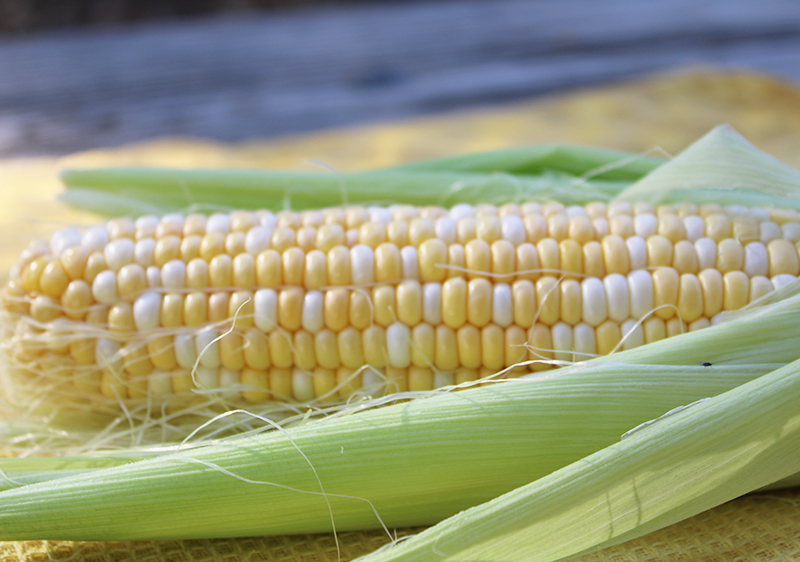
Is corn good for you? This is a question you may be asking yourself whether you eat it as a type of vegetable or as an ingredient in packaged foods.
Corn kernels are seeds of a plant in the grass family and species Zea mays. Aside from popcorn, there are two popular types grown for human consumption.
Sweet corn (Zea mays var. saccharata) and dent corn (Zea mays var. indentata).
Sweet corn is the soft, plump and starchy "corn on the cob" variety that's steamed and eaten fresh, frozen or canned. Most available in grocery stores is hybridized, while heirloom corn is sometimes sold at co-ops or farmers markets.
Table of Contents
Dent corn, on the other hand, is the mature dried "field corn" version, characterized by the kernels indentation. It's more frequently utilized in processed foods or to make corn syrup, corn starch, corn meal and corn oil.
Corn, also referred to as maize, is a major staple crop and global food source up there with wheat and rice, botanically categorized as a cereal grain.
But the question remains "Is corn good for you"?
The answer often depends on the type of corn you're actually eating, with some being less ideal than others.
Here, we will get into the pros and cons of corn from a nutritional perspective.
THE PROS OF CORN
Pro #1 - High in Fiber
Pro #2 - Contains Complex Carbs
Pro #3 - Nutritional Value of Corn
Pro #4 -
Better Carb Option and Gluten-Free
Pro #1 - High in Fiber
While corn often gets a bad rap for reasons we soon discuss in our "cons of corn" section, as a sweet whole corn kernel, it is considered a healthy vegetable choice.
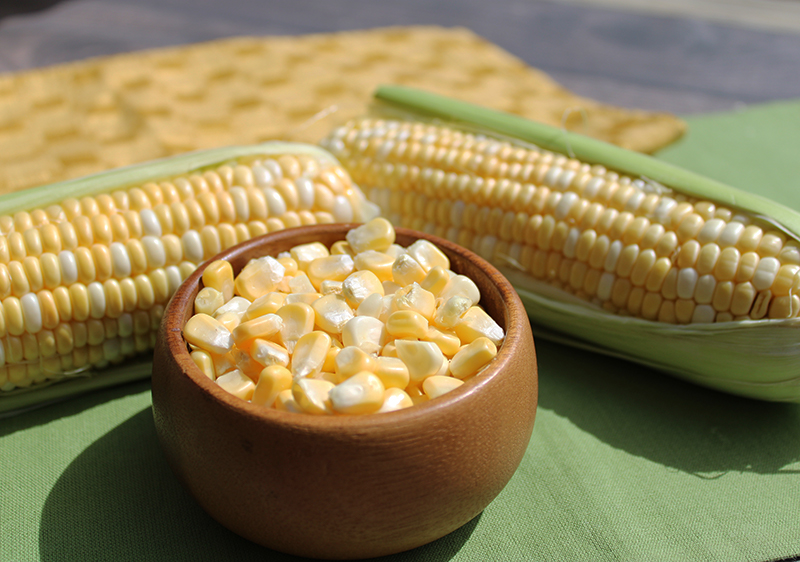
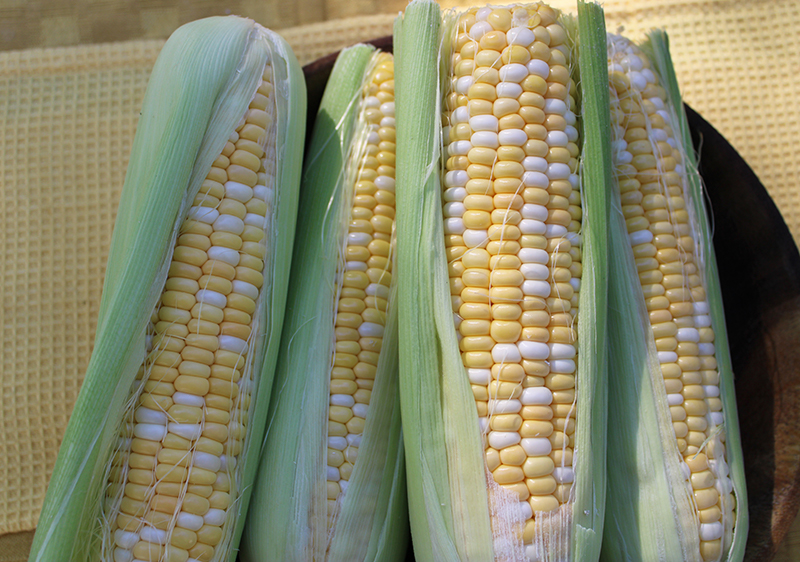
The corn referred to as "sweet corn" is the most popular variety grown for its higher sugar content as well as tender, delicious taste and crunchy texture. It is usually either yellow, white or both, like the bi-color "Butter and Sugar" cultivar.
This variation of corn on the cob is high in FIBER and can be eaten in moderation as part of a whole foods diet as a side dish vegetable with either meat or plant-based vegan proteins.
The average adult daily RDA (Recommended Dietary Allowance) fiber is between 25-38 grams. One large ear of corn (about 9 inches long) can offer about 4 grams of fiber.
The main kind of cellulose fiber in corn is in the tougher outer skin of the kernel. This is a type of insoluble fiber, that when consumed, helps food move through the digestive tract and adds bulk to stool.
Sweet corn likewise contains some soluble fiber in small amounts, providing a gel-like substance that helps to slow digestion.
Pro #2 - Contains Complex Carbohydrates
One of the commonly known aspects of corn is that it is high in starch, most notably RESISTANT STARCH. This is the primary long-chain sugar or complex carbohydrate in all types of corn.
Simple sugars make up the other smaller portion, which accounts for corn's sweet taste.
The glycemic impact after consumption is measurably minimal due to this lower sugar makeup, plus the fiber content that helps to slow down assimilation.
This assists in the gradual release of glucose into the bloodstream, which prevents blood sugar spiking and supplies stable fuel for sustained energy levels.
Also, as a bonus, both the dietary fiber and starches in corn act as a PREBIOTIC for nourishing healthy gut bacteria.
Pro #3 - Nutritional Value of Corn
Whole, organic sweet corn kernels pack a surprising nutritional punch when cooked and eaten in their natural state.
This profile of nutrients includes VITAMINS and MINERALS like vitamin C, magnesium, phosphorus, potassium and some of the B vitamins such as thiamine, folate and pantothenic acid. (Source)
Likewise, yellow sweet corn is full of the yellow-pigmented ANTIOXIDANTS zeaxanthin and lutein, known for their benefits to the eyes and skin.
Pro #4 - Better Carb Option and Gluten-Free
Whole corn, especially when it’s fresh and in season can be can a better way to get your carbohydrates compared to refined grains, breads and pastas.
Organic frozen corn or canned corn are other alternatives to have handy in addition to whole corn meal for adding to soups and stews. The starch in corn tends to gelatinize in liquid providing a thick quality and velvety texture.
Corn is likewise a gluten-free food source that can be a healthier selection for those with digestive sensitivities to gluten-containing grains.
THE CONS OF CORN
Con #1 - Genetically Modified Crop
Con #2 - Processed Food Ingredient
Con #3 - Kernels are Hard to Digest
Con #4 - May Contain Antinutrients
Con #1 - Genetically Modified Crop
Corn, as a dry field variation, is unfortunately top on the list of Genetically Modified (GMO) Food crops. This includes 92-94% of all dent corn grown and sold in the U.S.
Why does this matter?
GMO foods are beneficial to the large-scale commercial farmer because they directly alter the plant's DNA to be resistant to environmental stress, which often includes depleted soils.
Therefore, crop yield and resilience can improve despite challenging growing conditions. GMO crops are also resistant to herbicides, like glyphosate, which are heavily used to control weed growth.
What does this mean for the corn consumer? Potentially less nutrients in dent corn varieties typically used in processed foods, not to mention glyphosate contamination.
There is also the yet unproven controversy about whether GMO foods pose certain health risks over time, such as tissue damage, organ abnormalities and other diseases.
While it's best to purchase non-GMO fresh corn, frozen or canned, most is not Genetically Modified. However, it is definitely necessary to double check your packaged food labels that invariably include dent corn types for the Non-GMO Project Verified seal.
Likewise, organic selections are a better option in our opinion, with potentially higher levels of nutrients and antioxidants that corn is known for.
Legally, all food certified organic under the USDA National Organic Program must also not involve genetic engineering, even if it doesn't state "non-GMO" on the label.
Con #2 - Processed Food Products
Although organic, unprocessed, non-GMO whole corn has been consumed for thousands of years with nutritional health benefits, the kind extensively consumed nowadays is another story.
Dent corn, or "field corn", is the other type of corn that's milled and ground to make corn meal, corn flour, corn starch, high fructose corn syrup and corn oil.
While there are different qualities and colors of dent corn grown, as we mentioned, most manufactured on a large scale use low quality GMO corn that's widely utilized by the packaged food industry.
It's not only found in highly processed snack foods, breakfast cereals or to make taco shells, corn chips or tortillas, but also as a filler ingredient in countless other products as a starch, syrup or oil.
When corn is stripped of whole food fiber and complex carbohydrates and reduced down to these highly concentrated isolates, it can pose health issues when eaten on a regular basis.
Unfortunately, the overconsumption of packaged processed snack foods, which include these ingredients, has become an epidemic in today's world, causing rapid weight gain and a host of many related disorders.
Con #3 - Kernels are Hard to Digest
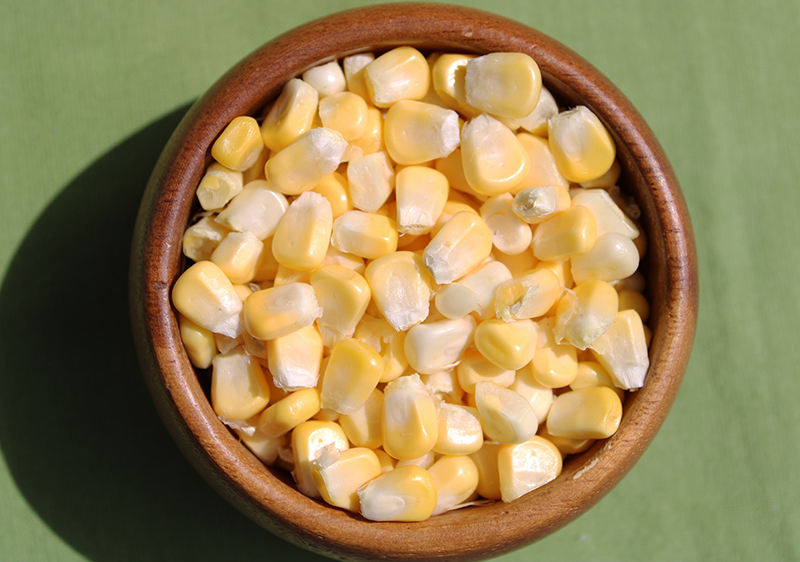
One of the things about whole corn kernels, whether they're from frozen, fresh or canned, is that they can be harder to digest for some people.
This is due to the high fiber content and cellulose that can make it difficult to completely chew.
Those with digestive sensitivities like leaky gut or irritable bowel syndrome may have issues when it comes to eating corn as a vegetable.
Blending up the kernels, however, can be a better option in such situations.
Con #4 - May Contain Antinutrients
Corn is known to contain certain "antinutrients", mainly PHYTATES and LECTINS.
Phytates (or phytic acid) are the primary ones that can bind to minerals such as calcium, zinc, magnesium and iron, affecting nutrient uptake.
Some varieties of corn also contain lectins which can have the same impact on digestion. However, they are much reduced after cooking methods.
Precautions:
It is best to consume types of corn or corn-based products in moderation within a whole food diet plan. Consult your nutritionist or healthcare provider prior to use if you are pregnant, nursing, have a serious health condition or are taking any medications.
Other Related Pages

As an Amazon Associate we earn from qualifying purchases at no added cost to you.