- Home
- Plant-Based Cooking
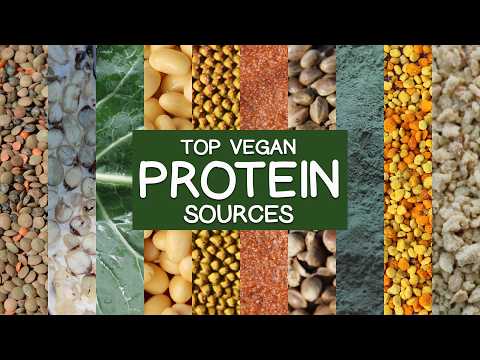
- Top Vegan Protein Sources
Top Vegan Protein Sources, Some May Surprise You
Pea Protein | Teff | Hemp Seeds | Seitan | Tempeh | Spirulina | TVP | Bee Pollen | Lentils | Jackfruit | Leafy Greens | Tofu and Edamame | Precautions
1) Pea Protein
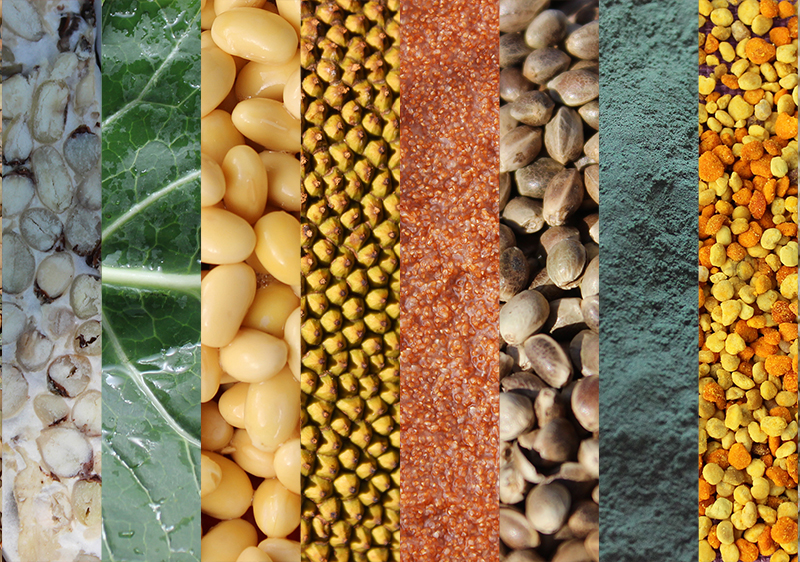
Whether you're vegan, vegetarian or just simply looking to reduce animal proteins in your diet, peas are one superstar legume to add to the list.
You can't go into most grocery stores these days without seeing a plethora of vegan pea protein-based foods and products.
It's made to make non-dairy milk, meat substitutes and is often the top ingredient in most vegan protein powders.
Table of Contents
Pea Protein | Teff | Hemp Seeds | Seitan | Tempeh | Spirulina | TVP | Bee Pollen | Lentils | Jackfruit | Leafy Greens | Tofu and Edamame | Precautions
One great thing about peas is that they are not on the list of common food allergens like soy, tree nuts, peanuts and gluten.
Pea protein based foods are created from dried yellow field peas that have gone through an extraction process that produces a "pea protein isolate".
This concentrates the protein and makes the amino acid content more bioavailable.
Sometimes meat alternatives are also made with textured pea protein (TPP) to give them a more chewy, meat-like texture.
Pea protein powders can be added to many homemade creations, not just protein shakes. They're easy to incorporate into baked goods, protein bars and even things like pancakes to increase dietary protein intake.
2) Teff
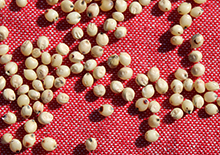
Teff is a gluten-free poppyseed-like grain from the same grass family as rice.
While most people think of quinoa when it comes to protein-rich grains, teff is actually a couple grams higher and doesn't contain saponins that can make quinoa harder to digest.
A staple in parts of Africa, teff can be a quick-cooking alternative for vegan diets to help increase daily protein consumption.
A one cup serving of cooked teff contains about 9.8g protein, 19% the Daily Value (based on a 2,000 calorie adult diet).
Like polenta, the resistant starch fiber helps cooked teff gelatinize and mold to any shape it's stored in.
So, depending on how much water it's cooked with, teff can have a sliceable texture or a porridge like consistency.
It has a mild nutty earthy taste and can be added to thicken soups and stews or served as a breakfast cereal like oatmeal.
Teff flour is used to make the fermented sourdough Ethiopian flatbread known as Injera.
3) Seitan
Seitan (pronounced say-tan) is a type of meat alternative that is very popular in vegetarian East and Southeast Asian cuisine, especially among Buddhist and macrobiotic plant-based communities.
It's often utilized directly as a substitute for beef or chicken in many dishes. This is because of its very desirable texture and taste. In fact, it is so flavorful that some people may have a hard time noticing the difference.
Seitan is made from "vital wheat gluten", the main protein in wheat grain. Sometimes called "wheat meat", it can be easily made at home by mixing vital wheat gluten flour, water and seasonings to create a dough that is sliceable when steamed.
And yes, it is very high in protein, comparable to meat, with a 3-ounce serving averaging about 15-25 grams of protein.
Of course, consuming seitan is not advisable for the 10% of the population with gluten sensitivities, but it is an option for those who can digest it.
4) Hemp Seeds
All nuts and seeds have protein content and are good to include in the diet for boosting amino acids.
Hemp seeds, however, are one of the top superfoods promoted for their extremely high protein content and highly digestible proteins known as edestin and albumin.
Typically, 3 tablespoons (30 grams) of hemp seeds is equivalent to about 10 grams of complete protein.
Hemp protein powders are especially concentrated protein sources. This is because the oil content is removed, producing a "hemp seed meal" that's usually between 40-50% protein.
Hemp seeds can be added to salads, atop meals or blended into protein shakes.
5) Tempeh
Beans are obviously some of the best top vegan protein sources around. The problem is that they are not always digestible to many people.
Tempeh (pronounced "tem-pay") is a great fermented food option that combines cooked beans with a tempeh-specific spore culture, producing a sliceable bean cake that can be fried or sautéed.
This process essentially pre-digests the legumes, enabling greater absorption of the protein and amino acid content.
Originating in Indonesia, it is traditionally made with soybean but can be prepared with any kind of cooked bean such as black bean, pinto, chickpea, navy bean, fava, mung bean and adzuki.
Tempeh is sometimes available in stores, however, we have not found one yet that compares to homemade versions which have a rich umami taste, like gourmet mushrooms.
Learning how to make your own tempeh is a must for any hard core vegan or those dedicated to living a mostly plant-based protocol.
Currently, some appliance brands, like PlanitPod by Waring, are jumping on board to make this process easier.
6) Spirulina
Spirulina is a type of microalgae powder that was coined "the best food for the future" because of its ability to produce a high quality condensed complete protein more efficiently than most other food sources.
It is in fact one of the top vegan protein sources in the plant kingdom, with one tablespoon of quality spirulina containing between 4-6 grams of bioavailable protein content.
Spirulina species, in addition, do not have cellulose walls, which makes the protein content and other nutrients more bioavailable when consumed.
Powders and supplements thus have a high PER or "protein efficiency ratio." Some say that each gram of spirulina protein is believed to be four times more absorbable than the same gram of protein found in red meat.
It is easy to add into a dietary regimen to boost protein intake. One teaspoon to one tablespoon of spirulina powder can be mixed into blended protein shakes or smoothies.
7) Textured Vegetable Protein (TVP)
Textured vegetable protein or TVP is an age-old classic protein standby utilized by vegans and vegetarians ever since the early 1970s.
Most commercially available TVP (also called textured soy protein) is made from soybeans.
This process starts with adding water to the soy protein isolate to form a dough then it is passed through a high-temp extrusion machine using steam and pressure.
It usually comes in the form of dehydrated granules that can rapidly absorb added water. The chewy texture is often compared to sautéed ground meat and likewise can be used in a similar fashion.
Textured vegetable protein is very popular, for example, as a meat substitute in vegan spaghetti sauce.
Because soybeans are naturally one of the top protein sources among the bean varieties, one cup of rehydrated TVP can average about 28 to 36 grams of protein content.
For highest quality TVP we recommend organic non-GMO selections.
8) Bee Pollen
Bee pollen is the pollen collected by worker bees and placed in hives to feed the developing bee colony.
It is especially known for its high predigested protein and complete amino acid content. Because it also contains a mix of enzymes, when consumed it has a fast absorption rate.
Depending on the botanical source, it is usually between 20-35% protein.
Like honey, it is collected on mesh screens within man-made hives and sold as a type of superfood due to this and other highly nutritive features.
While strict vegans may consider it an animal-derived product harvested through the exploitation of insects, many plant-based eaters use it to supplement the diet.
In sports nutrition, it is sometimes a popular ingredient to add to protein shakes for bodybuilders and weightlifters.
9) Lentils
Valued for their high amount of protein content, lentils are making a comeback in recent times as the trend for consuming plant-centered protein continues to rise.
All types of lentils are great sources of protein to include either as a side dish or to thicken soups, sauces and curries.
On average one cup of cooked brown lentils contains approximately 17.9g protein or 36% the Daily Value (based on a 2,000-calorie adult diet).
Another one of the benefits of eating lentils is that they are a very affordable vegan protein option and are much easier to cook and digest compared to large bean types.
Bulk dry lentils, as well as split pea varieties, are good ones to have in your emergency food supply. They store for long periods and, being a quick-cooking legume, don't require much energy to prepare.
Their versatility in recipes is by far one of the great reasons to use them more often.
10) Jackfruit
We also include unripe jackfruit on the list of top vegan protein sources as an option to round out protein intake.
While it doesn't contain a whole lot of protein at about 3 grams per one cup serving, it does in fact make a great shredded meat-like substitute.
Most notably, it has a tender pulled-pork like texture and neutral taste that can easily absorb other flavors you season it with.
Unripe beige-colored jackfruit is different than the sweet yellow ripe jackfruit. In non-jackfruit conductive climates, you will typically find this type as a canned variety, sold in chunk-like pieces in a saltwater brine.
Sometimes it is also available in pouches as a soft-textured meat substitute.
11) Leafy Greens
It may be surprising to hear that leafy green vegetables are a valuable nutritional addition to boosting dietary protein.
This is especially the case for thick dark varieties like collards and kale.
One cup of cooked collards, for example, is usually about 4-6 grams of protein and, when served as a side dish, can be a great way to improve overall protein consumption.
12) Tofu and Edamame
Soybeans naturally have the highest protein content of any other legume, with about 32 grams of protein per cooked cup.
This is why tofu and edamame have been classics on vegan and vegetarian menus around the world.
One thing to keep in mind is that extra firm tofu has 2-3 times more protein than softer varieties.
Precautions:
It is good to consult your healthcare professional or nutritionist before adding these top vegan protein sources to the diet, especially if you are pregnant, nursing, have a serious health condition or are taking any medications.
Other Related Pages


As an Amazon Associate we earn from qualifying purchases at no added cost to you.