- Home
- Top Superfoods
- The Sardine Fast Trend
The Sardine Fast Trend: Are Canned Sardines Healthy?
Intro | The Sardine Fast Trend | Sardine Fast Specifics | Claimed Benefits | Sardines Nutrition | The Good, Bad and Ugly | Precautions | Shop
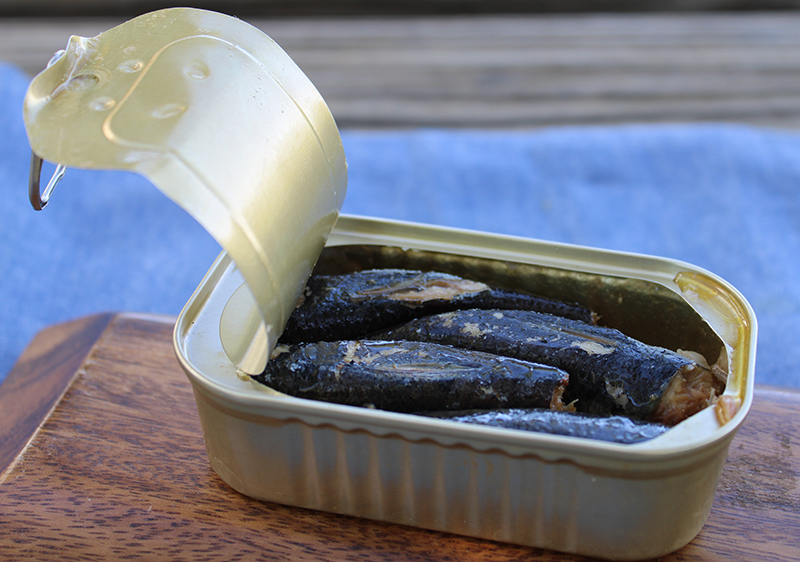
A sardine fast, or also referred to as "the sardine diet", is exactly what it sounds like. You basically only eat sardines for about a 3-day period.
It is highly promoted on ketogenic diets as a way to reset metabolism, achieve ketosis and encourage rapid weight loss.
The term "sardines" is actually a name used to describe many different small forage fish species that are not usually more than 6 inches (15 cm) in length.
Table of Contents
Intro | The Sardine Fast Trend | Sardine Fast Specifics | Claimed Benefits | Sardines Nutrition | The Good, Bad and Ugly | Precautions | Shop
The etymology of the word "sardine" itself is believed to have originated from the Mediterranean island of Sardinia, where sardines used to be a prolific food source.
Once an emergency last-resort pantry item staple, canned sardines are now a "superfood". Or are they?
Here we'll share our honest review about this tinned fish... the good, the bad and the ugly.
But first, how did the sardine fast trend begin and what are its claimed benefits?
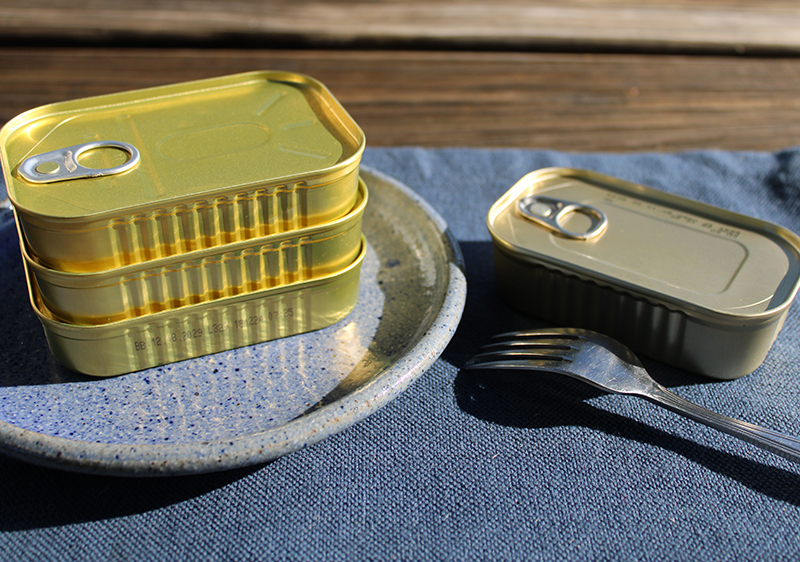
The Sardine Fast Trend, How It Began
The latest sardine fast trend actually has its origins way back in 2012 when renowned powerlifter Dr. Hatfield (aka "Dr. Squat") consumed only sardines after being diagnosed with a terminal illness.
Given a 3-month prognosis, he was successfully able to live for another 5 years. His metabolic strategy was to essentially starve the disease of sugar and enter into a strict ketogenic state.
In 2023, other big names like Dr. Annette Bosworth and later Dr. Nick Norwitz effectively re-popularized sardine fasting and a lot of present-day social media interest to those seeking its potential attributes.
What is a Sardine Fast?
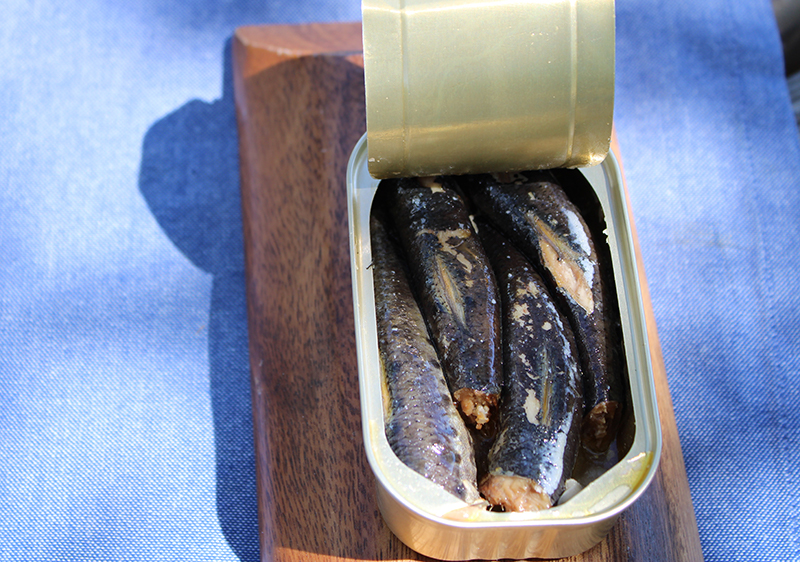
The sardine fast is called a "fast" because that's all your eating for a few days.
While there are currently several versions of the fast, typically the most popular approach that has gained viral attention is to consume between 3-4 cans of sardines a day within a 3-day (72 hour) timeframe. No other foods are allowed on the protocol, but liquids like water, coffee or tea are apparently okay.
Commonly, non-smoked or lightly smoked canned sardines in water or olive oil (usually drained) are eaten over fresh. Most likely because this is the traditional way they are most available. Often, tinned herring and mackerel are also considered acceptable substitutes.
But what makes sardines so healthy and deemed the latest trendy superfood?
Claimed Benefits of the Sardine Diet
The "sardine diet" or "sardine fast" is essentially a high-protein keto-friendly eating regimen considered helpful for reducing inflammation, accelerating weight loss, improving skin collagen and lowering insulin levels.
From a ketogenic perspective, the idea is to cut out all carbohydrates to dramatically limit sugar intake. This signals the liver to metabolize stored fat into ketones for energy instead of carbs (or glucose), a process called ketosis.
Unlike other types of fasting, like water fasting or juice fasting, the sardine fast is valued for its ability to keep the body energized throughout the day.
This is because you're still supposedly getting nutrients like healthy fats and protein.
Sardines Nutrition
Obviously, eating fish doesn't work for strict vegans, but many plant-based eaters consider sardines as a "once in a while" supplemental protein source.
Nutritionally speaking, sardines are reported to be high in not only protein but also good sources of omega-3 fats, vitamin B12, calcium, zinc, vitamin D and selenium.
Omega-3 fatty acids (EPA and DHA) are known for their anti-inflammatory influence, beneficial for cardiovascular and brain functions.
Are Canned Sardines Healthy? The Good, Bad and Ugly
1) Good: Low on the Food Chain
Sardines, being small schooling fish, provide a vital food source for much bigger fish and marine mammals.
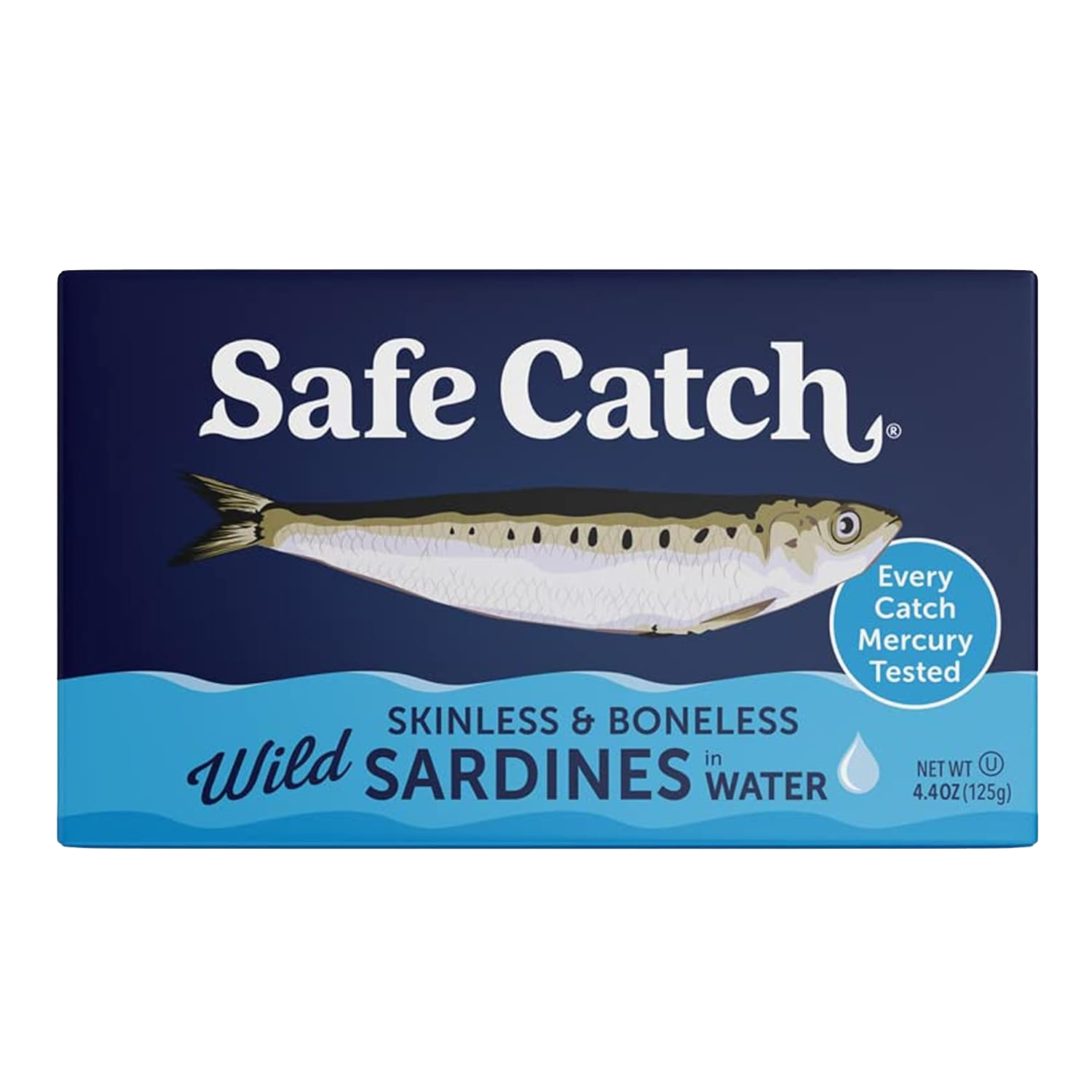
They are therefore low on the food chain and less likely to concentrate toxins like heavy metals such as mercury.
This is one of their advantageous over the fish commonly consumed by humans.
2) Good: Best Types of Sardines
For someone adhering to a sardine fast we recommend going with the highest quality sardines you can find.
If you choose oil-packed, make sure the oil is olive oil not seed oils or soybean oil.
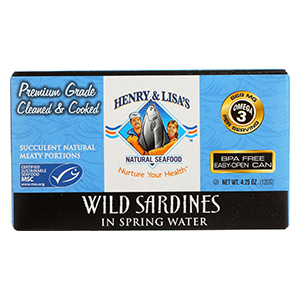
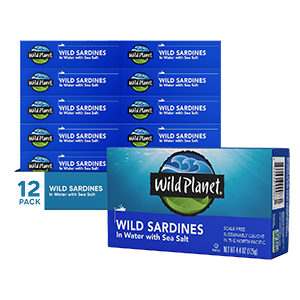
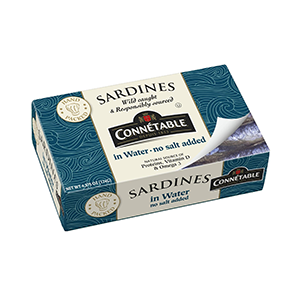
In our opinion, the best for "fasting" purposes are those packed in water only or water and sea salt rather than those containing other ingredients.
We would go for non-smoked over smoked. Smoking fish can add flavor but degrade nutrient quality, add carcinogen content and increase sodium levels.
3) Bad: BPA in Canned Sardines
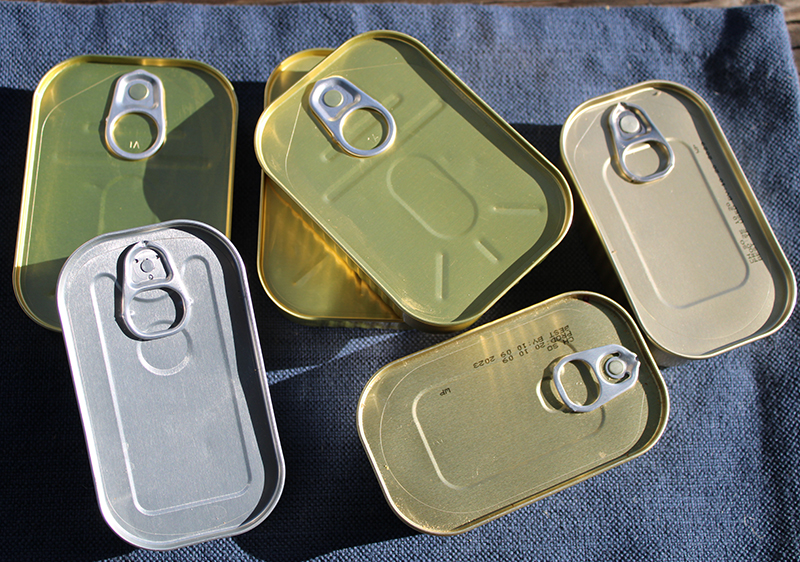
One of the downsides of canned sardines is that the tins are commonly lined with BPA or bisphenol A, a known toxin and endocrine disruptor.
Because the sardines are packed in water or oil for many months or even years, the BPA can concentrate into the sardines. This is especially the case for oil-packed varieties.
BPA, due to its interference with the hormonal systems, is a potential health threat to reproductive, immune and cognitive functions.
However, going back to selecting high quality sardines, there are a few brands that now offer non-BPA alternative. This should be clearly indicated on product labels.
Occasionally some manufacturers may also use glass jars over tin cans.
4) Bad: High in Arsenic
Canned sardines (as well as canned tuna) are notoriously high in an organic arsenic called ARSENOBETAINE.
While this form is believed to be generally safe for human intake; there are some contrary opinions and science indicating that consumption can increase arsenic to dangerous levels overtime.
It does make sense, that since arsenic is considered a heavy metal carcinogen, fasting on a high amount of sardines may pose health risks for some individuals. This is especially the case for those who partake in sardine fasting for many weeks at a time.
5) Ugly: Omega-3 Oil Rancidity
One of the overlooked nutritional aspects of canned sardines is that their healthy omega-3 fats have most likely oxidized and gone rancid by the time you peel back the lid.
So, they are not necessarily reliable sources of these essential nutrients.
The cooking process involved can also degrade these fatty acids (EPA and DHA) but the longer shelf-life can definitely play a significant role.
Always check expiration dates on the product to ensure you are many years away from the time you purchase.
Our Overall Review of Sardine Fasting
We can see that canned sardines can be a convenient option for a fasting period as there is no food prep, juicing or cooking required.
However, we are not completely onboard with promoting them for periodic fasting protocols due to several of the reasons we mentioned.
Moreover, to call a sardine fast a "true" fast, we believe all condiments, oils and seasonings should be avoided.
In conclusion, solely relying on sardine fasting to achieve your health goals is not going to do much good if you don't change overall eating habits and make required lifestyle adjustments.
Precautions:
Sardines are generally considered safe to eat, but should of course be avoided by those with seafood allergies. The sardine fast trend is not intended when pregnant or nursing. Always consult your healthcare professional prior to use if you have a serious health condition or are taking any medications.

Shop Related Products (About Affiliates & Amazon Associate Paid Links)
Affiliate Disclaimer: This section contains affiliate product links. If you make a purchase through our recommended links, we receive a small commission at no additional cost to you. Thanks for the support.
Other Related Pages










As an Amazon Associate we earn from qualifying purchases at no added cost to you.