- Home
- Super Supplements
- Vitamin B12 Supplement
Intro | Best Supplement | How to Take | Main Dietary B12 | Plant-Based Sources | RDA for B12 | About High Doses | Can You Overdose? | B12 Deficiency Tests | Precautions | Shop
Vitamin B12 Supplement Facts: Do You Need to Take One?
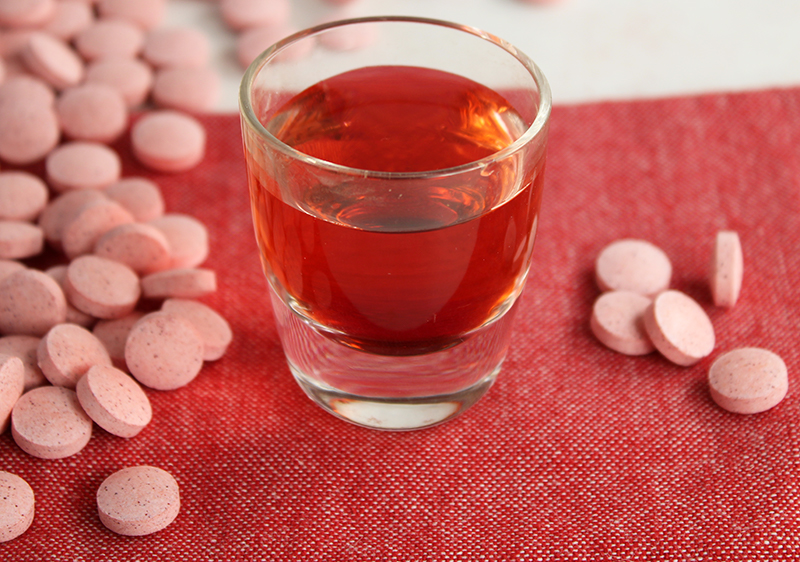
A vitamin B12 supplement can be a necessary nutrient to take periodically if you have signs of B12 deficiency and lab testing indicates low levels.
Humans require vitamin B12 for many bodily processes. It is needed to support optimal nerve function, to make red blood cells, synthesize DNA and metabolize food into energy.
B12 is largely considered a neurotropic vitamin because it helps repair nerve damage and generally keeps the nervous system healthy.
Many people today, for a variety of reasons, whether they consume animal products or not, suffer from vitamin B12 deficiency. This can be a result of daily stress, environmental toxins and microbiome imbalance all of which can put a strain on our ability to absorb this all-important nutriment.

Table of Contents
Intro | Best Supplement | How to Take | Main Dietary B12 | Plant-Based Sources | RDA for B12 | About High Doses | Can You Overdose? | B12 Deficiency Tests | Precautions | Shop
Vegans, vegetarians and older adults over 65 are those most at risk and may benefit greatly from dietary supplementation.
When concentrations in the body are low you may feel tired, numbness or tingling in hands or feet, lightheadedness, low appetite, trouble with balance, cognitive impairment, cardiovascular issues and depression.
Here, we'll break down the topic of B12 supplementation and explore the most common subjects often discussed when it comes to this much needed nutrient.
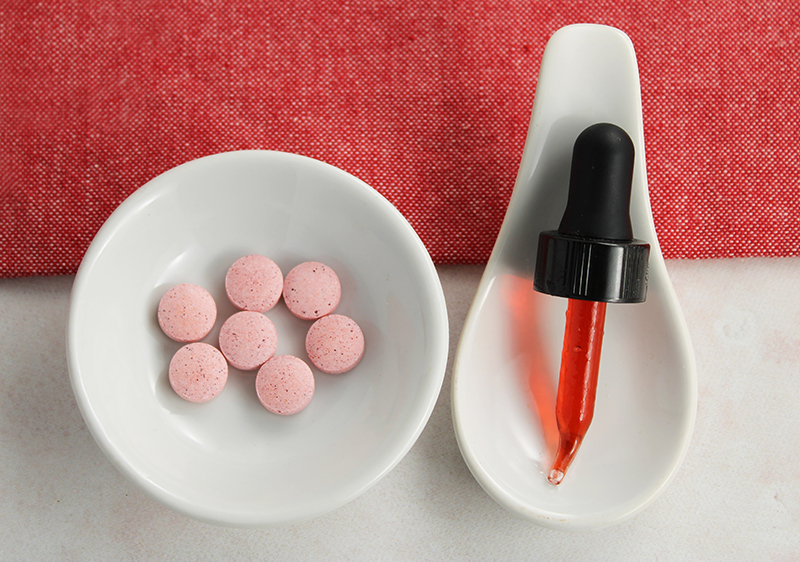
Best Vitamin B12 Supplement, Methylcobalamin Vs. Cyanocobalamin
Vitamin B12, also called cobalamin, can be made from several B12 "vitamers", or lab-produced substances created from bacterial fermentation. They perform the same functions as cobalamin (B12), hence, the suffix name "cobalamin". These include cyanocobalamin, methylcobalamin, adenosylcobalamin and hydroxocobalamin.
Cyanocobalamin has in the past been the traditional one utilized to make a vitamin B12 supplement.
However, in the last decade or so, most manufacturers are now using methylcobalamin because of its consistently effective absorption rate.
Methylcobalamin, with its bright red-orange color, is actually made from cyanocobalamin in a laboratory by substituting the cyanide group at the cobalt atom with a methyl group.
It is thus considered a "methylated vitamin", which means it's already converted into the active bioavailable form that the body can easily absorb and retain. Folate is another example of a vitamin that can be methylated, also known as methylfolate.
Methylcobalamin B12 can work better for highest uptake, especially for people with impaired digestive issues or genetic factors. Those with the MTHFR gene, for example, have a harder time assimilating B12 from foods or supplements.
How Vitamin B12 is Taken
A vitamin B12 supplement is typically available in sublingual forms. This means it's ideally placed under the tongue, where it can mix with saliva and rapidly enter the system.
For this reason, they are usually found as lozenges, chewables, liquid drops or sprays as opposed to a vitamin that you swallow whole.
Once dissolved in the mouth, most will enter the bloodstream directly through the mucus membranes. Since it tends to bypass the GI tract, it can be great for older adults or those with digestive disorders or low stomach acid.
Main Dietary Sources of B12
Vitamin B12 isn't made by the body but needs to be replenished regularly from food sources like meat, dairy, eggs and seafood.
The highest sources are organ meats and shellfish, especially liver and clams.
But, because protein-bound B12 in these foods can be harder to break down, carnivores might also need to supplement. Digestive enzymes can also help in this arena.
Absorption rate may likewise be limited in older adult meat eaters who tend to produce less of the necessary "intrinsic factor" required to assimilate it.
Are There Plant-Based Sources of B12?
B12 is not present in plant-based foods, so sometimes, vegan food products and milk alternatives are fortified with this vitamin.
Fortified nutritional yeast is a common example in which B12 (in the form of cyanocobalamin) is added along with other B-vitamins.
There are some plant-based foods like tempeh, dried shiitake, nori and chlorella that may contain some B12. However, this is only because there is B12 uptake from the cultures in growing mediums or they contain the bacteria used to create it. Because amounts can vary widely, they are not considered reliable sources.
Since B12 is produced by bacteria, some vegans speculate that a healthy gut microbiome can likewise generate its own B12, especially in the colon where the highest microbial density exists.
However, B12 first enters the small intestine where major absorption occurs in the ileum, rather than the colon. So, some argue that this makes it unavailable for nutrient uptake. It would be interesting in the future to see more research on this theory.
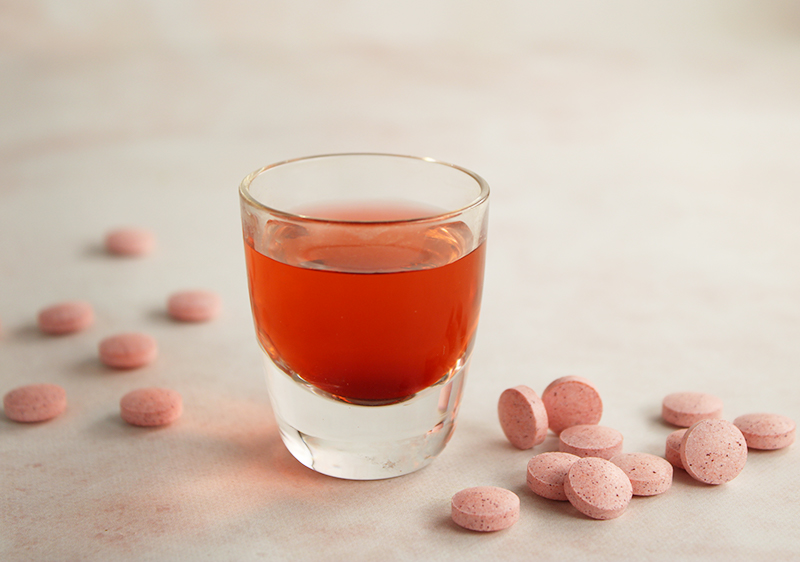
The RDA for Vitamin B12
Vitamin B12 is measured in micrograms (mcg or μg).
The Recommended Dietary Allowances (RDA) for adults is 2.4 micrograms (mcg) per day, 2.6 micrograms for pregnancy and 2.8 micrograms for lactation.
Older adults over 65 may require more like 10 to 12 mcg/day as the body's ability to absorb it declines with age.
Why are Supplement Servings So High?
You will likely notice that most B12 supplements offer serving amounts way over the recommended daily requirements.
Often thousands of micrograms (mcg) over. Extra strength supplements can be up to 2,500 to 5,000 mcg per serving.
This is primarily because the quantity absorbed is usually a very small percentage of the total ingested.
Ultrahigh doses help to ensure adequate uptake, especially if you are malnourished in this essential vitamin.
Can You Overdose on a Vitamin B12 Supplement?
Because B12 is a water-soluble vitamin, it is very hard to overdose on a vitamin B12 supplement. Any excess is often excreted via the urine. Therefore, large doses are generally considered non-toxic.
In rare cases, extremely high amounts may cause nausea, gastrointestinal upset and loose stools.
How to Confirm B12 Deficiency
The best way to confirm if you have a vitamin B12 deficiency is to get tested by a healthcare professional.
This often involves a simple blood test for serum B12, which is usually accompanied by measuring your homocysteine and methylmalonic acid levels. Usually, if serum homocysteine is over 15 micromol/L and methylmalonic acid (MMA) is over 0.271 micromol/L there is a B12 deficiency.
If you happen to notice any of the related symptoms, it is definitely a good idea to do such testing to rule out the possibility.
You can try eating more foods rich in B12 to correct deficiencies but in most cases, supplementation can be necessary to replenish this very important nutrient.
Precautions:
A vitamin B12 supplement is generally safe for most adults. Excessive amounts can cause nausea and loose stools. Consult a healthcare professional before supplementing, especially if you are pregnant or nursing, have a serious health condition or are taking any medications.

Shop Related Products (About Affiliates & Amazon Associate Paid Links)
Affiliate Disclaimer: This section contains affiliate product links. If you make a purchase through our recommended links, we receive a small commission at no additional cost to you. Thanks for the support.
Other Related Pages






As an Amazon Associate we earn from qualifying purchases at no added cost to you.