- Home
- Plant-Based Cooking
- Benefits of Sweet Potato
Benefits of Sweet Potato, Facts About and 2 Disadvantages
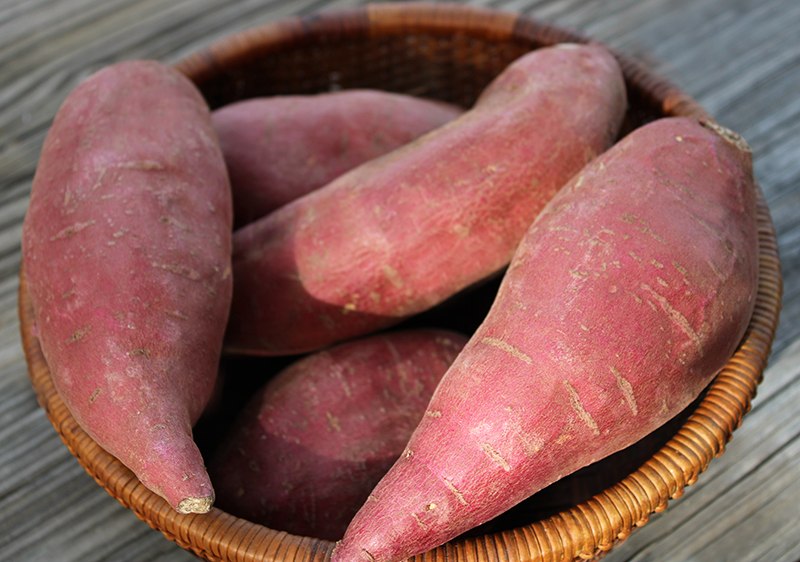
Despite its name, sweet potatoes (Ipomoea batatas) do not come from the same family as the everyday potato (Solanum tuberosum). A potato is a tuber from the nightshade family, whereas a sweet potato is from the morning glory family.
While both are starchy root vegetables, all varieties of the sweet potato are, as the name implies, SWEET and higher in natural sugars.
When it comes to the benefits of sweet potatoes, plus two disadvantages, there are a few things to clarify before we go down the list.
Mainly, we'd like to distinguish between "yams" vs sweet potatoes and how they are similar but different, as there can be some confusion.
Two Types of Sweet Potatoes
Table of Contents
Intro | Two Types | Benefits of Sweet Potato | Two Disadvantages | How to Cook | Precautions
There are several types of sweet potatoes which range in size, color and texture. However, we place those called "yams" and those called "sweet potatoes" in separate categories.
This is because they have a completely different texture and flavor. Some may prefer one over the other for taste reasons or specific health benefits.
1) Yams
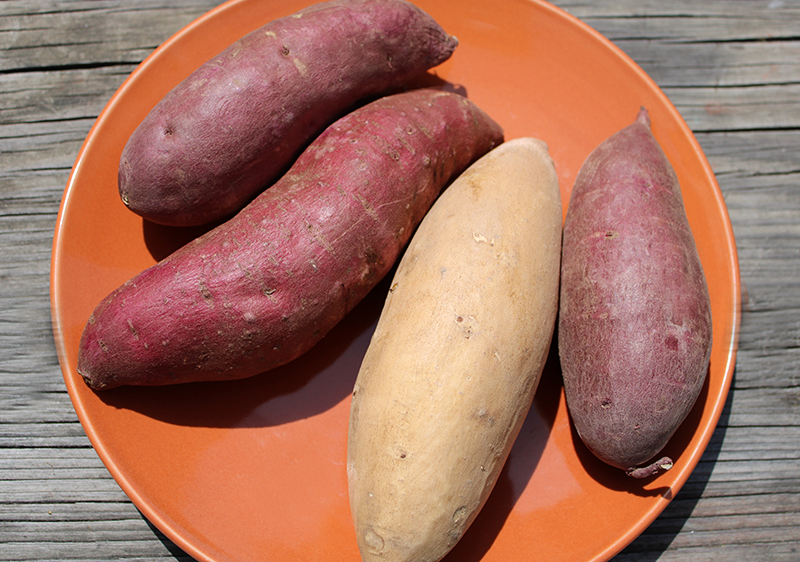
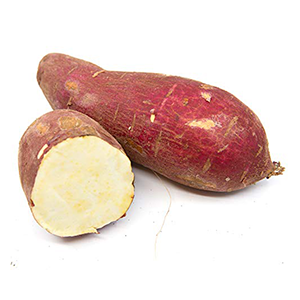
Most orange-fleshed varieties go by the name "yams", although they are not a "true yam" species. This includes cultivars like the Jewel, Garnet and Beauregard.
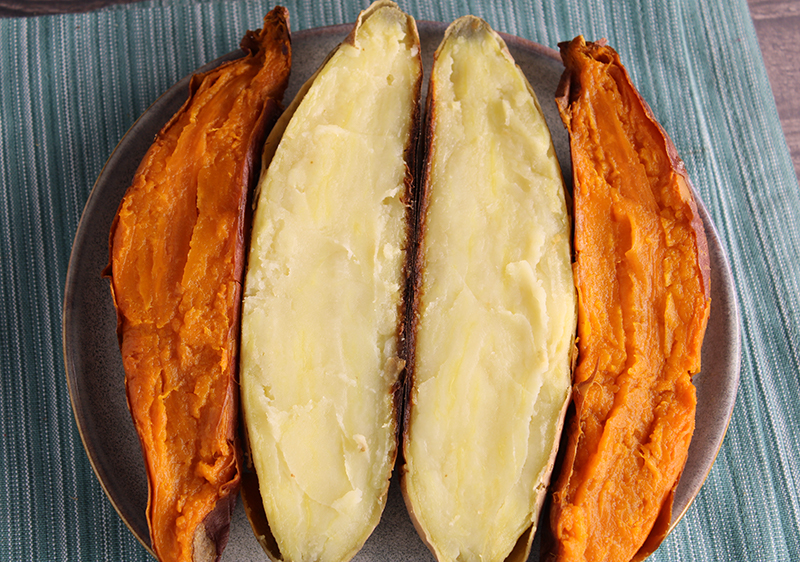
The yams found in produce markets are botanically "sweet potatoes" but have a stringy and watery texture in contrast to the smooth and creamy yellow or purple-fleshed sweet potatoes.
Some historical reports indicate that these orange sweet potatoes were originally called "yams" by enslaved African Americans because of their similarity to "true yams" native to Africa.
However, the USDA requires that if they are marketed as "yams" they must go by the name "yam sweet potato" to differentiate.
The edible true yam is from the genus Dioscorea and is not related to the sweet potato nor does it look or taste the same. Interestingly, wild yam root (Dioscorea villosa), often utilized as an herbal ally for menopausal women, actually comes from this genus.
2) Sweet Potatoes
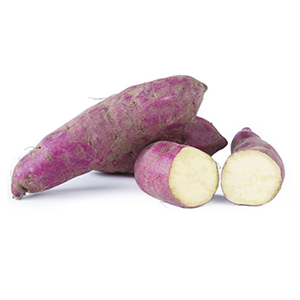
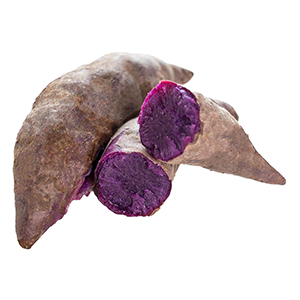
The next types of sweet potato often have a different flesh color, commonly yellow or purple when baked.
These, in our opinion, have a far superior flavor, less watery texture and are very similar to a regular potato when mashed.
White potatoes like russets are higher in starch than the orange "yam" variety, but comparable to others like white Hannah, purple Stokes and the yellow Japanese sweet potato.
These are common cultivars typically found in a U.S. supermarket.
The increased starch content is why they have a dense, fluffy and creamier texture like that of regular potatoes.
While they can vary in flavor, some like the Japanese, are often described as having a delicious roasted chestnut-like taste.
Benefits of Sweet Potato
Promotes Bowel Regularity
Weight Management
Gut Prebiotics
Vitamin A and Nutrients
Anthocyanins
Promotes Bowel Regularity
Whole sweet potatoes with the skin are high in FIBER that helps to add bulk, soften stool and encourages regular bowel movements.
Supports Weight Management
Helpful for weight loss because they help to satisfy appetite, can curb cravings for sweets and make healthier dessert replacements when you need one.
Sweet potatoes are likewise a plant-based energy source for adding less refined complex carbohydrates to ones meals.
Useful Gut Prebiotics
Cooked or baked sweet potatoes are a source of prebiotics such as oligosaccharides and resistant starch, which feed beneficial gut bacteria.
In some research, the dietary fiber from sweet potato was shown to increase both Bifidobacterium and Lactobacillus, two useful microbiome strains.
Contains Vitamin A and Other Nutrients
Orange colored "yam" sweet potato varieties are a good source of the antioxidant BETA-CAROTENE. This nutrient converts to vitamin A, needed for nourishing and protecting the eyesight.
One medium yam sweet potato (114g) contains about 1,100 mcg (122% DV) of VITAMIN A.
Sweet potatoes are good sources of B vitamins, vitamin C, manganese, copper and potassium.
Increases Antioxidant Anthocyanins
One of the benefits of purple sweet potato is that they are a great way to add more anthocyanins to one's meals.
These are the antioxidative dark purple pigments that help to reduce free radicals and pro-inflammatory markers.
Grounding Food
Sweet potatoes in Ayurveda are considered very beneficial for grounding the Vata dosha, being a sweet root vegetable.
Two Disadvantages of Sweet Potato
Disadvantage #1 - High in Oxalates
Sweet potatoes are unfortunately on the list of medium-high oxalate foods. Not quite as much as spinach or rhubarb, but they are present in significant amounts.
When eaten in excess, soluble oxalates in the form of "free oxalic acid" can enter the bloodstream and circulate around the body instead of being removed as waste material.
Oxalates can bind to minerals, like calcium, inhibiting proper absorption and may cause toxic accumulation over time. Some health experts believe that this can increase health risks like kidney stones as well as digestive, autoimmune and other inflammatory conditions.
Most of these "antinutrients" in the sweet potato are, however, concentrated mostly in the skin rather than the cooked potato flesh itself.
While the skin is full of fiber, for those with oxalate sensitivities, you may wish to avoid eating it.
Disadvantage #2 - Not Keto-Friendly
One thing is for sure: the sweet potato is not on a strict keto diet. That's because of the high carbohydrate content composed mostly of sugars and starch.
Consuming sweet potatoes can rapidly increase the carb limit that is required to achieve ketosis, especially if you don't eat the skin.
On more flexible versions of the diet, they are eaten in very small measured portions.
How to Cook Sweet Potatoes
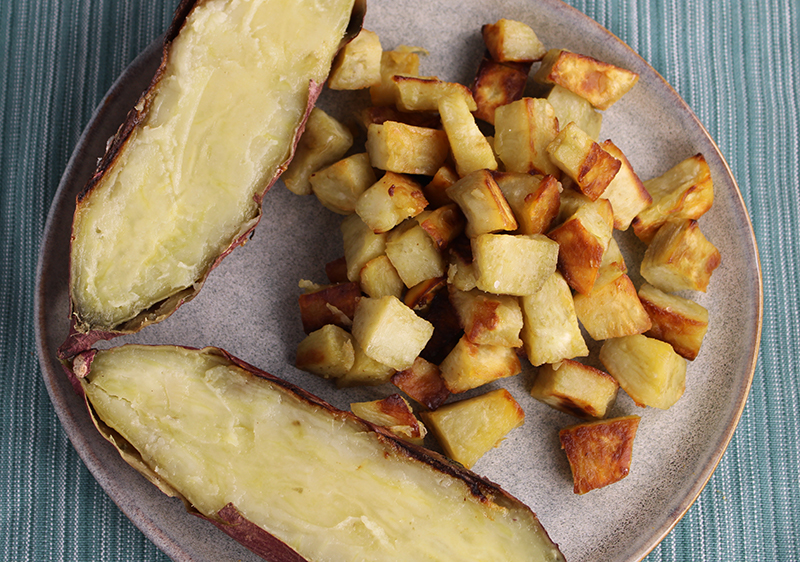
One of the benefits of sweet potatoes is that they are very easy to bake in the oven. This is by far our favorite way to consume them.
Baking them whole in-peel concentrates all the natural sugars via evaporation and leads to a caramelized sweet flavor and enhanced texture.
Roasting, pan-frying or air-frying peeled, chopped sweet potatoes is also another option, but requires some cooking oil to develop a crispy exterior. If you do go this route, we recommend high-temp stable cooking oils like avocado oil or coconut oil.
Boiling sweet potatoes is our least favorite way to prepare them, as it really dilutes the taste and creaminess.
Precautions:
Sweet potatoes should be consumed in moderation within a healthy diet plan. Consult a health professional before consuming on a regular basis if you are pregnant, nursing, have a serious health condition or are taking any medications.

Shop Related Products (About Affiliates & Amazon Associate Paid Links)
Affiliate Disclaimer: This section contains affiliate product links. If you make a purchase through our recommended links, we receive a small commission at no additional cost to you. Thanks for the support.
Other Related Pages

As an Amazon Associate we earn from qualifying purchases at no added cost to you.