- Home
- Super Supplements
- Vegan Omega-3 Algae Oil
Vegan Omega 3 Algae Oil, Frequently Asked Questions
What is Vegan Omega 3 Algae Oil? | From Marine Waters? | Source of DHA? | Benefits? | How is it Made? | Other Ingredients? | Sustainable and Toxin Free? | Precautions | Shop
What is Vegan Omega 3 Algae Oil?

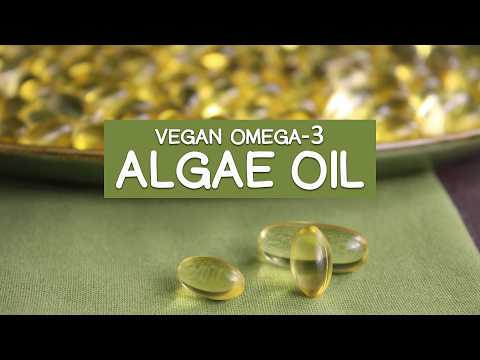
Vegan omega 3 algae oil is a plant-based supplement alternative to krill or fish-based omega 3 oils.
It is made from types of microalgae, commonly classified under the genus Schizochytrium, including species such as: Schizochytrium aggregatum, Schizochytrium limacinum and Schizochytrium minutum.
These are algae that are commercially specific for their high lipid content.
Basically, instead of extracting omega fatty acids from fish, who eat these algae, you're getting them directly from the source.
Table of Contents
What is Vegan Omega 3 Algae Oil? | From Marine Waters? | Source of DHA? | Benefits? | How is it Made? | Other Ingredients? | Sustainable and Toxin Free? | Precautions | Shop
While some online references refer to it inaccurately as "seaweed oil", these species are not botanically considered seaweeds.
And, in case you were wondering, these types are also different than the ones frequently utilized to make algae-based biofuel.
As a supplement, vegan algae oil is a clear pale yellow color and usually available in soft gel capsule format rather than a liquid oil.

Does It Come from Marine Waters?
No, not exactly. For commercial production, it does not come from the ocean.
It is typically cultivated on land in enclosed sterile fermentation tanks as oppose to natural marine environments.
Some may call it "marine algal oil", but that's simply because the microalgae species originate in seawater.
We will get into the main processing steps further along on this page.

Is It a Source of DHA?
Just like marine-based omega oils, these microalgae are known for their ability to synthesize and concentrate the valued DHA (docosahexaenoic acid) omega-3 nutrient,
In addition, they are likewise good sources of EPA (eicosapentaenoic acid) and DPA (docosapentaenoic acid).
Supplements usually contain about 300-500 milligrams of DHA per serving.
On average, adults are advised to consume between 250-500 milligrams of combined DHA and EPA daily.
How Does Vegan Omega 3 Algae Oil Compare to Fish Oils?
The genus Schizochytrium produces a high lipid output of both DHA and EPA comparable to krill and fish oil supplements.
In 2025 research, it was identified that "microalgal oil" or algae oil contains similar amounts to fish oil, meeting the nutritional needs for both DHA and EPA when taken in supplement form.
Unlike cod liver oil, however, algae oils don't naturally contain vitamin D or vitamin A.
Some fish oil brands can add in these vitamins, but this is currently rare for vegan algae oil.
What are the Benefits of Vegan Omega 3 Algae Oil?
Strict vegans who don't eat seafood or fish-based omega-3's can be deficient in these vital dietary fatty acids. Algae oil can be a great way to supplement.
Not only do omega-3's like DHA and EPA balance the pro-inflammatory omega-6 fatty acids like linoleic acid (which are in a lot of foods and vegetable oils) but these nutrients are also essential for certain bodily functions.
Cognitive Support
DHA, being the main structural compound that is found in the human brain and cerebral cortex, is an essential macronutrient for the brain and central nervous system.
When replenished through adequate dietary uptake, there is a reduced risk of neurological issues such as depression and cognitive decline.
Cardiovascular Benefits
Dietary intake of omega-3 fatty acids have long been considered beneficial to the cardiovascular system. (*)
In the results of one study, it was identified that the docosahexaenoic acid from algae oil can potentially reduce serum triglycerides and increase HDL, the "good cholesterol".
Keep in mind, it’s always best to consult a medical professional before adding omega-3 algae oil to the diet if you have cardiovascular related health conditions or are taking blood thinners.
Eyesight and Joints
DHA is also a component found in the skin and retina of the eye and omega-3 algae oil can be a valuable source of nutrition is this regard.
Because of its attributes as an anti-inflammatory agent, it is likewise a good dietary supplement for general joint maintenance.

How is Algae Oil Made?
Algae oil is extracted via a precise production process.
First, the Schizochytrium species is cultivated in stainless-steel fermenters and fed nutrients that maximize growth and lipid accumulation.
It is harvested when the cell density reaches wanted omega-3 fatty acid levels. The microalgae is then heated (pasteurized) to break down cell walls and separate the oil and water content.
Next, the algae oil is extracted using any one of several methods depending on the company. The four most common include:
- Mechanical/Expeller Pressing
- Aqueous Enzymatic Extraction
- Supercritical CO₂ Extraction
- Solvent Extraction
Of these four, solvent extraction is the only one that uses a chemical process and solvents like hexane or ethanol.
After that, the algae oil extract is refined and purified to remove saturated fat and waxes. It is usually deodorized with steam refining to eliminate volatile compounds which provides a neutral-tasting oil that won't have a strong seaweed-like flavor.
Some brands that use less processing may use a darker colored soft gel to encapsulate the oil and protect it from light oxidation.
Finally, the oil is stabilized and standardized to prevent it from going rancid and also to control the desired ratio of omega-3's.
Some brands with higher DHA levels may also use a procedure called transesterification which converts them into ethyl esters to make it easier to standardize.
Do Supplements Contain Other Ingredients?
Most supplements sold as "vegan omega 3 algae oil" can contain other plant-based omega-3's like flaxseed oil. However most do not tend to include other main ingredients with the exception of sunflower oil.
Brands use sunflower oil primarily as a carrier oil, usually listed as the second ingredient after the algae oil Schizochytrium sp extract.
This is done to standardize the concentration and increase absorption, but also the vitamin E in sunflower oil helps to protect against oxidization. Other ingredients such as tocopherols and sunflower lecithin may also serve the same purpose.
We noticed that most top brands use rosemary extract as a natural preservative and include ascorbyl palmitate, a form of vitamin C made by bonding ascorbic acid with palmitic acid.
Some may contain carrageenan as part of the soft gel capsule, so good to be aware if you have allergies.
Is It Sustainable and Toxin Free?
Another one of the selling points of taking a vegan omega 3 algae oil over a fish-based supplement is that it has less of an environmental impact on fish populations.
It's likewise first on the food chain. The fish eat the lipid-concentrated microalgae and accumulate it. Vegan algae oil leaves the fish out of the equation and goes directly to the source.
Since it's commercially grown indoors in controlled tanks, it is also very pure and free of heavy-metal contaminants and other toxins common to marine waters.
Precautions:
Vegan omega-3 algae oil is generally considered safe, but should not be used in excess over the recommended daily serving size. Consult your healthcare practitioner before use if you are pregnant, nursing, taking any medications or if you have a serious health condition.

Shop Related Products (About Affiliates & Amazon Associate Paid Links)
Affiliate Disclaimer: This section contains affiliate product links. If you make a purchase through our recommended links, we receive a small commission at no additional cost to you. Thanks for the support.



Other Related Pages










As an Amazon Associate we earn from qualifying purchases at no added cost to you.