- Home
- Super Supplements
- Magnesium Glycinate Benefits
Magnesium Glycinate Benefits and Types of Magnesium
Intro | Types of Mg | Magnesium Glycinate | Magnesium Glycinate Benefits | RDA for Magnesium | Mg Deficiency | Precautions | Shop

Magnesium glycinate benefits have been highly popularized in the health supplement industry over the last half-decade for many reasons.
One of them is due to the fact that widespread global magnesium deficiency has become a public health concern.
As of 2025, it is estimated that roughly 31% of the world's population does not meet the daily recommendations for magnesium intake.
Likewise, it is reported that close to two-thirds of Americans consume dietary magnesium below the RDA.
Table of Contents
Intro | Types of Mg | Magnesium Glycinate | Magnesium Glycinate Benefits | RDA for Magnesium | Mg Deficiency | Precautions | Shop
Magnesium (Mg) is an essential macromineral that the body needs for many important functions and metabolic processes.
Therefore, adequate dietary supplies of this nutrient can benefit us in numerous ways, which we will soon discuss.
In fact, some leading health issues today may indeed be remedied through boosting intake.
Types of Magnesium Supplements
Although magnesium is found in a variety of foods like sea vegetables, microalgaes and leafy greens, a concentrated amount may be of greater benefit in certain instances.
Given how common a deficiency can be, taking a magnesium supplement has become an easy way to increase levels and fill in any nutritional gaps.
Magnesium supplements come in many forms, typically they are salts of magnesium ions (Mg2+) bound to different carrier compounds.
The top most common include:
- Magnesium Citrate
- Magnesium Malate
- Magnesium Glycinate
- Magnesium L-threonate
- Magnesium Taurate
- Magnesium Oxide
Each can come with their own set of things they are good for and therefore are sold as individual supplements or together as a magnesium complex.
What is Magnesium Glycinate?
Today the #1 popular choice for supplementation is often MAGNESIUM GLYCINATE not only due to its higher absorption rate but also the specific common issues it can tend to alleviate.
Magnesium glycinate, also sometimes called magnesium diglycinate or magnesium bisglycinate, is elemental Mg bound to two glycine amino acid molecules, acting as a magnesium salt of glycine.
This process creates a chelated form that makes the mineral more stable and easier to utilize Plus, compared to other forms, it is gentle on the gastrointestinal tract.
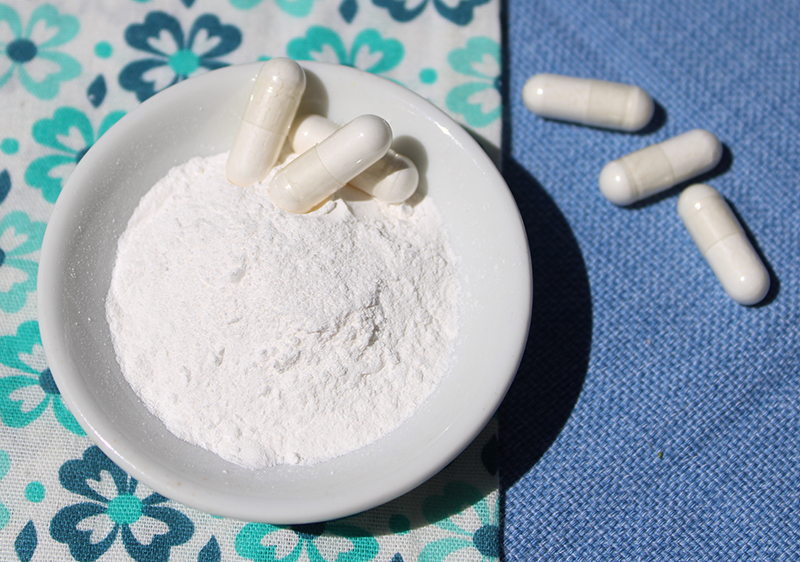
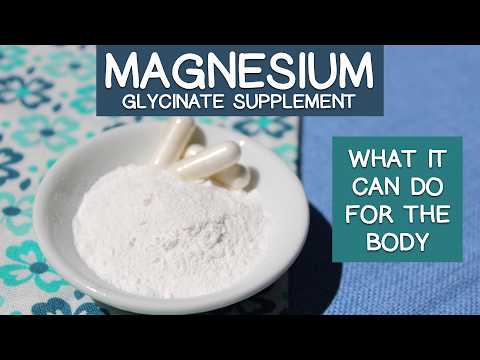
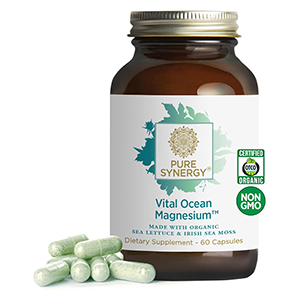
A pure quality usually comes in the form of a white powder that's typically encapsulated for ease of use.
Top Magnesium Glycinate Benefits
1) Stress Relief
2) Supports Sleep
3) Muscle Relaxant
4) Bone Strength
5) Cardiac Functions
1) Stress Relief
One of the major attributes of magnesium glycinate is its calming influence on the body and mind.
Since daily life stress can have a considerable impact on many individuals, magnesium glycinate benefits may offer some relief by encouraging deep relaxed states.
Magnesium works alongside calcium and is crucial for healthy nerve function and proper neurotransmission.
In some research, it was proposed that high dietary magnesium could be linked to reducing some common stress-related issues like depression.
A specific neurological disorder known as a migraine has likewise been associated with low magnesium levels. (*)
Magnesium citrate and magnesium L-threonate are also secondary bioavailable options but can tend to cause nausea, diarrhea and stomach cramps.

2) Supports Restful Sleep
Alongside the stress-relieving qualities of magnesium are its benefits to a restful night's sleep.
For one, it helps increase and regulate sleep-promoting hormones like MELATONIN. It also quiets the mind and enhances tranquil states by binding to GABA receptors as well as supports the decrease in CORTISOL, the stress hormone that can interfere with good sleep.
Magnesium is a vital mineral involved in metabolizing vitamin D and calcium, which are also needed nutrients for the proper sleep cycles.
A magnesium glycinate supplement can therefore, be a good dietary adjunct to add to the list of natural sleep aids if you suffer from nightly sleeplessness that lasts over several weeks.
It is frequently found in many sleep support formulas with other minerals and herbs.
3) Muscle Relaxant
Magnesium is mentally calming also because it works to nutritionally relax the skeletal muscles of the body.
Many people traditionally use epsom salts (also known as magnesium sulfate) in bathwater for this very reason to sooth aches and pains.
Taking a bioavailable magnesium glycinate supplement can not only help to alleviate physical muscular tension but also muscle cramping or spasms, which can be signs of Mg deficiency.
Women who have painful PMS are typically recommended to supplement if testing shows low levels.
Like creatine monohydrate and collagen peptides, magnesium glycinate is often utilized on nutrition protocols for bodybuilders and athletes as it is vital for muscle recovery, energy production (ATP) and protein synthesis.
4) Bone Strength
Magnesium glycinate benefits as a top-selling super supplement for building strong, healthy bones.
It promotes new bone formation by stimulating bone-building cells (osteoblasts), which increase bone mineral density.
Again, magnesium itself is also an important macromineral for the absorption of the other bone-strengthening nutrients, calcium and vitamin D3.
Magnesium is required to activate vitamin D and is essential for calcium assimilation, encouraging its uptake directly into the bone matrix.
5) Cardiac Functions
Adequate levels of magnesium are required by the body to regulate heart rhythm and relax blood vessels, useful for reducing inflammation and preventing irregular heartbeats or palpitations.
Both magnesium glycinate as well as magnesium taurate are known to have a high intestinal absorption rate, which helps to circulate more to cardiac and nerve functions if needed.
In some research, magnesium deficiency is believed to be linked to an increased risk of cardiovascular disorders.
RDA for Magnesium and Magnesium Glycinate Dosage
The RDA or Recommended Daily Allowance for adults (18 and older) in the U.S. is about 400-420 milligrams magnesium per day for men and 310-320 milligrams per day for women.
However, more may be needed if you are malnourished in this major mineral.
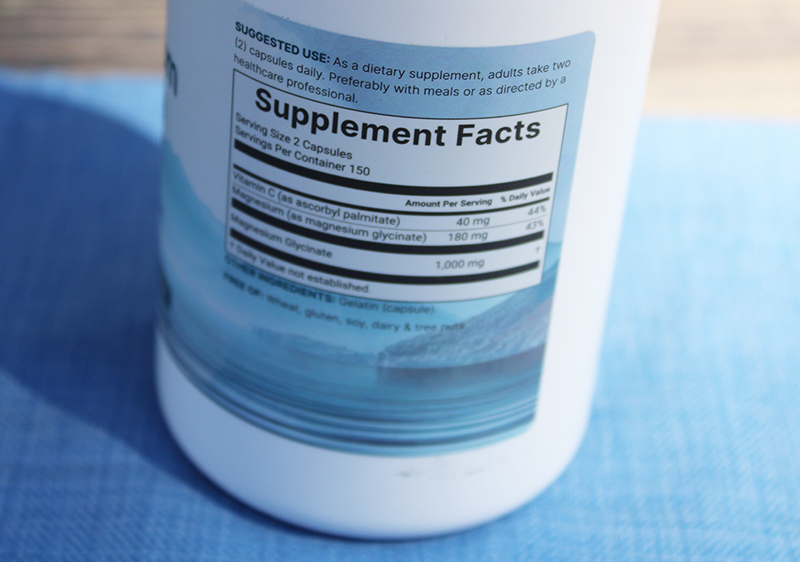
Generally, the standard serving for a magnesium glycinate supplement can range from 120mg to 1000mg.
It is good to read the "Supplement Facts" labeling on specific products so you know how much you're taking.
Symptoms and Testing for Magnesium Deficiency
There are certain signs of magnesium deficiency. These include muscle cramps, fatigue, general weakness, abnormal heart rhythms, numbness and nausea.
Ultimately, however, it is best to get your magnesium levels tested periodically by a qualified medical professional rather than self-diagnose.
This can be achieved through a serum magnesium blood test, which will indicate if your blood levels are low.
According to some reports, serum magnesium concentration is not necessarily a good indication, however, of total body magnesium status, but may still help to determine if a deficiency is present.
Precautions:
Generally, magnesium glycinate benefits are well-tolerated and less likely to cause gastrointestinal upset than other forms of magnesium. Excess intake may cause bloating, vomiting and nausea. Always consult with your health care professional before considering a magnesium supplement if you have any medical conditions, are taking medications or are pregnant or nursing.

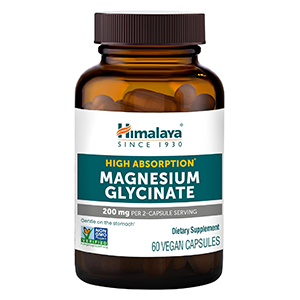
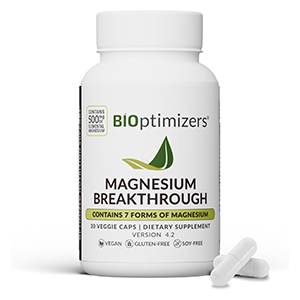
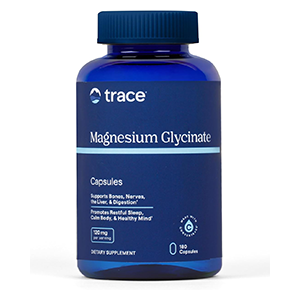
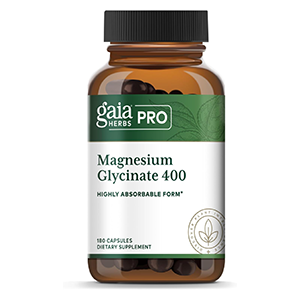
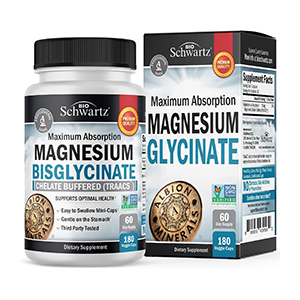
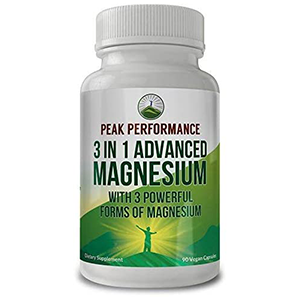
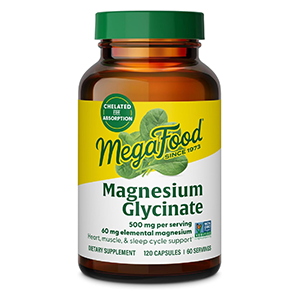
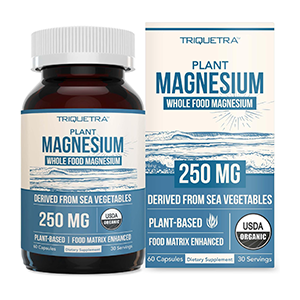
Shop Related Products (About Affiliates & Amazon Associate Paid Links)
Affiliate Disclaimer: This section contains affiliate product links. If you make a purchase through our recommended links, we receive a small commission at no additional cost to you. Thanks for the support.

Other Related Pages












As an Amazon Associate we earn from qualifying purchases at no added cost to you.